
Thera Wolf
Therawolf Relief Balm Canada - Experience fast-acting cooling relief for nerve and muscle discomfort, providing soothing relief within minutes. Unlike typical formulas rich in artificial menthol or synthetic additives, this herbal lip balm gently penetrates, deeply soothing the skin for effective comfort.
Rated 4.8 stars
★★★★★
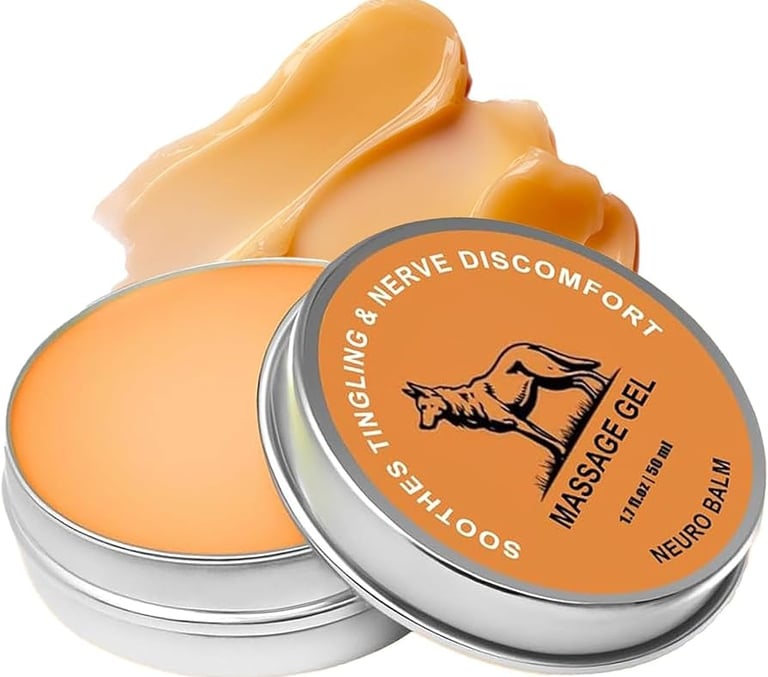
✴️ THERAWOLF RELIEF BALM
✴️ ADVANCED JOINT MUSCLE SUPPORT
✴️ FAST-ABSORBING,COMFORTABLE WEAR
✴️ DUAL SKIN NOURISHMENT
✴️ VERSATILE FULL-BODY APPLICATION
Therawolf balm eased my stiff knees after long hikes—felt relief within minutes.


I use therawolf balm after work; it melts away my shoulder tension naturally.


★★★★★
★★★★★
What is Therawolf?
Thera Wolf Canada is a brand offering a topical herbal balm — typically called Thera Wolf Pain Relief Balm (or “Therawolf Balm” / “Therawolf Neuro Balm,” depending on the variant). The balm is marketed as a natural, easy-to-use solution for everyday joint and muscle discomfort: from stiffness, soreness, minor aches to tension in knees, backs, shoulders, necks and more.
Unlike oral painkillers or invasive treatments, Therawolf aims for a topical, non-greasy, fast-absorbing approach — a balm you can massage into sore areas and carry on with your day.
What’s Inside Therawolf — Ingredients & Their Role
Therawolf Canada formula blends a mix of well-known “counter-irritant” ingredients with herbal extracts and minerals. Here’s how the main components contribute:
Menthol & Camphor — These are the core active ingredients responsible for the most immediate effect. Menthol triggers cold receptors on your skin, while camphor can create a warming or cooling sensation depending on formulation. This “distraction” via sensory stimulation can help mask pain signals temporarily.
Herbal Extracts (Arnica, Chamomile, Peppermint, etc.) — These are added to soothe inflammation, calm irritated skin, and offer a gentle botanical touch. Arnica, for example, has a long traditional use for muscle soreness or swelling. Chamomile and peppermint add mild anti-inflammatory and soothing properties.
Minerals / Connective-Tissue Support (MSM, Magnesium Chloride) — Some variants of Therawolf mention ingredients like MSM (methylsulfonylmethane) and magnesium chloride, intended to support muscle relaxation, joint comfort, and “nerve-relief.” However, the evidence for deep muscle or nerve healing through topical mineral absorption is more limited.
Emollients and Oils — To ensure the balm spreads easily, absorbs quickly, and does not leave a greasy film or residue. According to the brand, this makes Therawolf suitable for repeated daily use — even under clothes or before activity.
In short: Therawolf combines proven topical analgesics (menthol, camphor) with herbal + mineral support (arnica, chamomile, MSM, magnesium) — hoping to offer both immediate relief and supportive comfort for muscles, joints, and soft tissues.
How Therawolf Works — The Mechanism
To understand how a balm like Therawolf delivers effect, it helps to know how topical pain-relief balms generally work. There are two major mechanisms at play:
1. Counter-Irritation & Pain Masking
When you apply ingredients like menthol and camphor, they activate specific nerve receptors (e.g. cold receptors for menthol) in the skin. The resulting cool (or warm) sensation effectively “distracts” the nervous system from the underlying pain or discomfort. This doesn’t cure the source — but temporarily reduces the perception of pain.
Because this effect is localized and on the surface, the balm can work quickly — many users report feeling relief within 5–15 minutes of application.
2. Supportive Soothing & Mild Anti-inflammation
The herbal extracts (arnica, chamomile, peppermint, etc.) in the balm may provide mild anti-inflammatory or soothing effects, especially useful if the pain is related to overuse, muscle tightness, or mild soft-tissue inflammation.
The emollients and oils help maintain skin hydration and support skin comfort — so the balm doesn’t dry or irritate skin even with repeated use. According to the brand, Therawolf remains “dermatologist-friendly” and “non-greasy.”
That said — while counter-irritation is a scientifically accepted mechanism for topical pain relief, the claim that topical minerals like magnesium can provide “deep nerve healing” is more controversial: absorption through the skin is debated, and clinical evidence is limited.
What Users Say — Reported Benefits & Real Experiences
According to user reviews published on the official site and other sources, many people have found meaningful relief with Therawolf. Here’s a snapshot of common feedback:
👍 Reported Benefits
Fast relief after application — Many users report noticeable cooling or loosening of stiffness within minutes.
Improved joint flexibility and mobility — Useful for knees, ankles, backs — especially for those with mild joint pain or stiffness.
Support during post-workout recovery or daily overuse — For people who walk a lot, sit long hours, or stress muscles with repeated activity.
Non-greasy, clean feel; easy to apply any time — Because the balm absorbs quickly and leaves minimal residue, users often say it’s convenient for daily use — during work, after gym, before bedtime, or on commute.
Natural / herbal appeal — For those who prefer plant-based or non-pharmaceutical options, the mix of botanical oils and natural extracts offers a gentler alternative than heavy steroid creams or pills.
Who Might Benefit Most — And Who Should Be Cautious
Ideal Candidates for Therawolf
You might benefit from Therawolf Balm if you:
Experience mild-to-moderate joint stiffness (knees, ankles, back, shoulders) — perhaps from aging, long hours standing/sitting, or light joint wear and tear.
Suffer from muscle soreness or stiffness — after workouts, commuting, walking, or after work.
Want a non-pharmaceutical, herbal-leaning topical option rather than pills or chemical creams.
Need fast, surface-level relief — a balm to help you maintain mobility, especially for everyday tasks or mild flare-ups.
Prefer easy, portable application — something you can carry in your bag and apply at work, gym, or before bed.
Situations Where You Should Be More Cautious or Realistic
If you have severe or chronic joint/nerve conditions (e.g. advanced arthritis, nerve damage, deep structural issues), a balm alone is unlikely to solve the root cause.
If you have sensitive skin or history of reactions to essential oils, menthol, or camphor — do a patch test first.
If you need a long-term medical solution — this balm is meant for symptomatic relief and comfort, not as a replacement for medical advice or treatment.
If you’re looking for “miracle healing” or nerve recovery via topical balm — the evidence for deep tissue or nerve regeneration via topical minerals remains limited.
How to Use Therawolf — Best Practices
If you try Therawolf, here’s a simple, practical routine that tends to maximize benefits:
Clean & dry the skin — Ensure the area is clean and dry before applying so that the balm is absorbed properly.
Use a small amount — Because the balm is concentrated, a little goes a long way. Scoop a small amount with your fingers.
Massage gently — Massage the balm into the target area using circular motions for about 30–45 seconds. This helps blood flow and ensures absorption.
Apply 1–3 times daily if needed — Many users apply it in the morning, after physical activity (workout, walking, long commuting), or before bed for best comfort.
Complement with light movement / stretching — A balm is best used as a support tool. Gentle exercises or stretching can help maintain joint health and muscle flexibility.
Patch-test first (for sensitive skin) — If you’ve not used menthol or camphor before, test on a small skin area to check for irritation before applying to larger areas.
How Does Therawolf Compare to Other Pain Relief Options?
When evaluating a balm like Therawolf, it helps to put it side-by-side with alternatives:
✔ Advantage: Localized, non-systemic, easy to use
Because the balm works topically, it avoids the systemic risks that come with pills or oral medications. That means no stomach upset, no dietary restrictions — just apply as needed.
✔ Advantage: Fast, temporary relief & mobility support
For day-to-day discomfort, stiffness, or soreness, topical balms like Therawolf offer quick comfort — ideal for busy people, office workers, or those with mild joint/muscle issues.
✖ Limitation: Not a long-term structural fix
Unlike physical therapy, supplements, or supervised medical treatment, balms don’t address deep structural problems. For chronic conditions, underlying causes must be treated separately.
✔/✖ Trade-off: Natural/herbal plus mineral ingredients — with caveats
The herbal extracts and minerals give Therawolf an appeal for those seeking natural solutions. But it’s important to understand that while some ingredients (menthol, camphor) are backed by solid topical analgesic science, others (topical magnesium absorption, deep tissue regeneration) remain debated.
✔ Advantage: Easy to integrate into daily life
Since it absorbs quickly, isn’t greasy, and smells mild — you can apply it before work, commute, workout, or bed. It’s practical and discreet compared to some pungent ointments or treatments requiring time or special conditions.
My Take — Balanced View on Therawolf’s Role
If I were you, and I was looking for a simple, low-risk tool to manage everyday aches or mild joint stiffness — I’d see Therawolf Balm as a helpful support tool. Not a magic bullet. Not a cure. But a flexible, convenient aid.
Here’s how I’d integrate it into a realistic routine:
Use it after workouts, on legs/shoulders/back — to relax muscles and ease soreness.
Apply it after long commuting or desk hours — to relieve stiffness in knees, hips, or lower back.
Keep a jar at home for mild flare-ups — a quick balm when you don’t want to rely on pills or harsh creams.
Combine it with light exercise, stretching, hydration, and proper posture — for overall joint/muscle health.
I’d be cautious about expecting miracles — especially for serious joint problems or chronic pain. But for everyday discomfort, I think it's a low-cost, low-side-effect way to improve comfort and mobility.
If I were writing for my blog audience (who might be middle-aged, active, or working long hours), I’d position Therawolf as: “Not a cure. But a practical, natural tool to help you stay mobile, comfortable, and active.”
What the Science Says — Strengths & Gaps
The strongest scientific support in Therawolf’s formula comes from menthol and camphor — well-known topical agents with proven analgesic, counter-irritant effects. These reliably help with surface-level muscle/joint pains.
Herbal extracts like arnica, chamomile, peppermint have historical and some clinical support for mild anti-inflammatory and soothing effects — good for soft-tissue discomfort or muscle soreness.
On the other hand, the claims around minerals (magnesium chloride) or deeper “nerve pain relief” are much less solid: skin absorption and meaningful therapeutic impact are scientifically debated.
That means while you can reasonably expect temporary comfort, surface-level relief, and support for mild stiffness, you should not count on balm alone for healing chronic conditions, deep joint damage, or severe nerve pain.
In short: Therawolf likely delivers what it claims — fast, topical, symptomatic relief — but its more ambitious marketing claims (deep healing, nerve recovery, long-term structural change) should be considered with healthy skepticism.
Final Verdict: When Therawolf Makes Sense — and When to Look Elsewhere
✅ Good Reasons to Use Therawolf
You feel occasional or mild joint / muscle discomfort — post-workout, after commuting, or after long work hours.
You want a natural, plant-based balm instead of chemical creams or pills.
You need fast, convenient, portable relief — something you can apply and go.
You value comfort and mobility support over “cure.”
⚠️ When to Be Realistic or Look Elsewhere
If you suffer from chronic joint disease, structural joint damage, or serious nerve pain — consult a doctor or physiotherapist. Budge your expectations for balm.
If you’re allergic or sensitive — especially to menthol, camphor, or essential oils. Do a patch test first.
If you want long-term healing or structural repair — a balm alone won’t be enough; you’ll need comprehensive care, maybe physiotherapy, lifestyle changes, or medical treatments.
Closing Thoughts
Therawolf Balm is best thought of as a supportive wellness tool — not a miracle cure, but a functional aid. For many people, it offers a useful balance: natural ingredients, quick relief, and easy usability, without the downsides of oral medications. For everyday aches, joint stiffness, post-workout soreness, or daily toil, it can help you feel more comfortable, mobile, and ready to keep going.
If I were you — in India, for instance, with a busy lifestyle, long hours at desk, travel or commuting — I’d keep a jar handy. Use it after long walks, workouts, or when stiffness creeps in. Pair with stretching, hydration, and healthy habits. And treat it as part of a broader self-care toolkit.